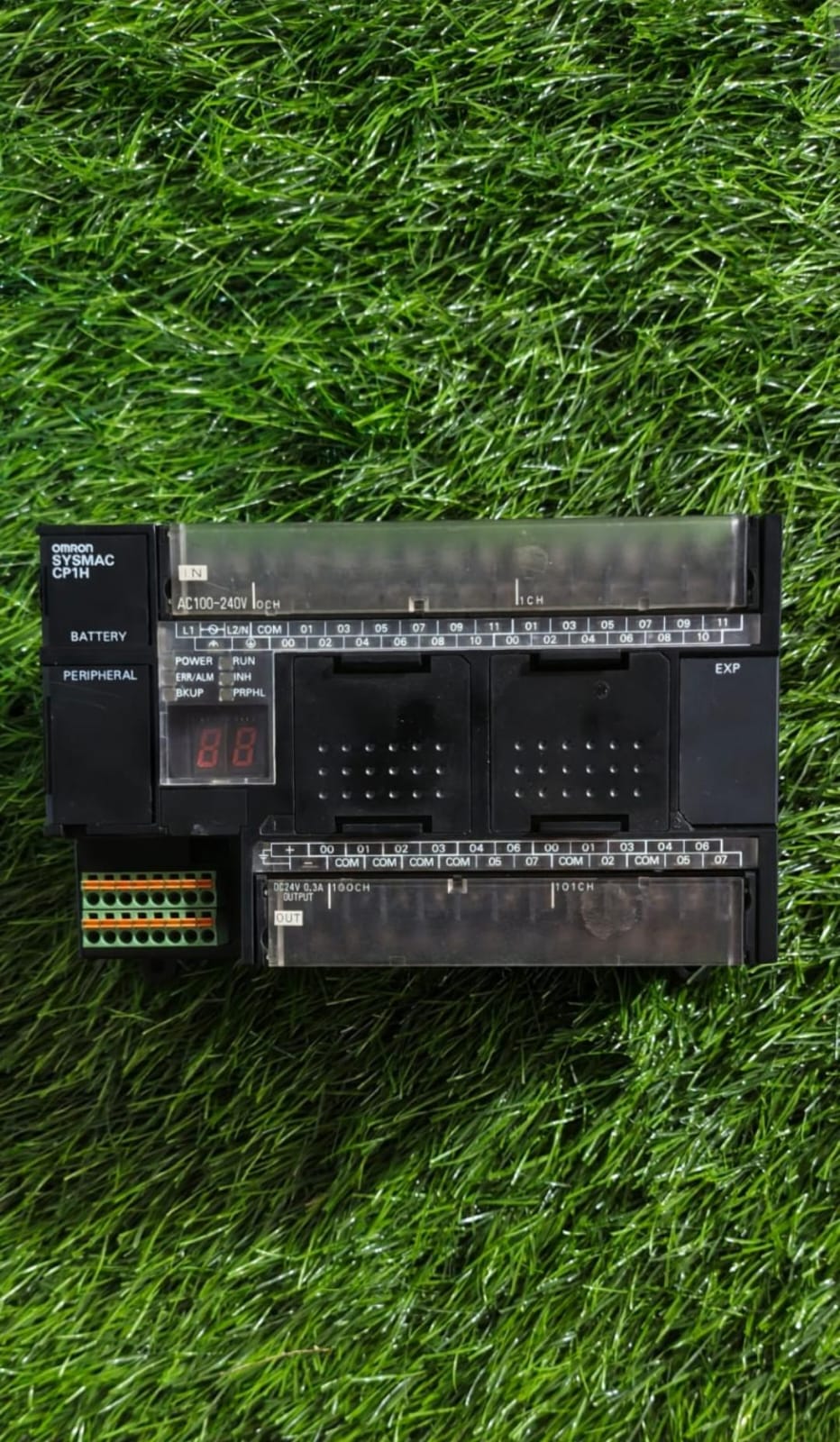
In today’s rapidly evolving industrial environment, industrial automation plays a vital role in improving productivity, accuracy, efficiency, and machine performance. Omron PLCs (Programmable Logic Controllers) are widely used in industrial automation and machine control applications because of their reliable performance, flexible programming capabilities, and compatibility with a wide range of automation equipment.
An Omron PLC is an industrial control device designed to monitor inputs, process programmed logic, and control outputs in automated machines and production systems. From manufacturing and packaging to material handling and process automation, Omron PLC systems can be used in numerous industrial applications.
A Programmable Logic Controller (PLC) is a specialized industrial computer used to automate machines and processes. An Omron PLC receives signals from sensors, switches, and other input devices, processes them according to a user-defined PLC program, and then sends commands to output devices such as motors, valves, relays, and actuators.
Omron offers different PLC platforms designed for applications ranging from basic machine control to advanced and high-speed industrial automation.
Common Omron PLC families include:
Omron CP Series PLCs
Omron CJ Series PLCs
Omron CS Series PLCs
Omron NX Series PLCs
Omron NJ Series Machine Automation Controllers
The appropriate PLC depends on factors such as I/O requirements, processing speed, communication protocols, motion control requirements, application size, and system architecture.
Omron PLCs provide a range of features that make them suitable for modern industrial automation applications.
Omron PLCs are designed for continuous operation in industrial environments. They can be used to control machinery and automated production processes where dependable operation is important.
Omron PLC programming allows engineers and technicians to create customized control logic for different machines and applications. Depending on the PLC platform and programming environment, automation programs can be developed using commonly used PLC programming methods such as Ladder Diagram and Structured Text.
Many Omron PLC and machine controller platforms are designed for applications requiring fast processing and precise control. This makes them suitable for high-speed machinery, packaging systems, assembly equipment, and production lines.
Modern automation systems require PLCs to communicate with HMIs, servo drives, sensors, robots, inverters, and other controllers. Omron automation solutions support various industrial communication technologies depending on the PLC platform and installed modules.
Omron PLC systems can be configured with different digital and analog input/output options. This allows automation engineers to build control systems according to the requirements of individual machines.
PLC programming is one of the most important parts of an industrial automation project. The PLC program determines how a machine responds to sensors, operator commands, alarms, timers, counters, and other control conditions.
An Omron PLC program can typically include:
Digital input and output control
Timers and counters
Motor control
Sensor monitoring
Alarm handling
Interlocking logic
Analog signal processing
Communication control
Machine sequencing
Data handling
HMI communication
Proper Omron PLC programming can help improve machine reliability, simplify troubleshooting, and make automated systems easier to maintain.
Depending on the Omron PLC family and automation platform, different Omron software environments may be used for programming, configuration, monitoring, and troubleshooting.
Engineers use PLC programming software to create control logic, configure hardware, monitor PLC status, troubleshoot errors, and transfer programs between a computer and the PLC.
Before selecting software, it is important to identify the exact Omron PLC model and series, because programming and configuration requirements can differ between product families.
Omron PLCs are used across a wide range of industrial automation applications.
PLCs can control production machines, assembly systems, conveyors, sensors, and automated manufacturing processes.
Omron PLC automation can be used in packaging equipment for sequencing, sensor monitoring, counting, machine interlocks, and communication with other automation components.
PLC-based conveyor control systems can manage motor operation, product detection, sequencing, and material movement.
Automated material handling systems can use PLCs to coordinate sensors, motors, actuators, and other control devices.
Omron PLCs and machine controllers can be integrated into specialized machinery requiring automated sequencing and precise control.
Depending on the PLC platform and system design, Omron control solutions can also be used for monitoring and controlling industrial processes involving temperature, pressure, flow, level, and other variables.
An Omron PLC and HMI system can provide operators with a graphical interface for monitoring and controlling industrial machinery.
An HMI can display information such as:
Machine status
Production counts
Alarms
Sensor conditions
Process values
Operating modes
Fault information
Maintenance information
Combining an Omron PLC with an HMI can make machine operation and troubleshooting more convenient for operators and maintenance teams.
Modern factories often require multiple automation devices to work together. An Omron PLC can form part of a larger industrial automation system that includes:
PLCs and machine controllers
HMIs
Servo motors and drives
Variable frequency drives
Sensors
Safety devices
Industrial robots
Vision systems
Remote I/O
Industrial networks
The correct combination of these components depends on the machine requirements, production process, communication architecture, and control objectives.
Selecting the right Omron PLC requires understanding the application before choosing a specific model.
Important factors include:
Number of digital inputs and outputs
Analog I/O requirements
Required processing speed
Communication requirements
Motion control requirements
Memory requirements
Expansion requirements
HMI integration
Machine size and complexity
Future expansion requirements
A properly selected PLC can help create a reliable and maintainable automation system.
Using PLC-based industrial automation can provide several practical advantages, including:
Improved machine control
Repeatable operation
Reduced manual intervention
Easier troubleshooting
Flexible control logic
Integration with HMIs and automation devices
Scalable control architecture
Improved monitoring and diagnostics
The actual benefits depend on the machine design, application requirements, installation quality, programming, and maintenance practices.
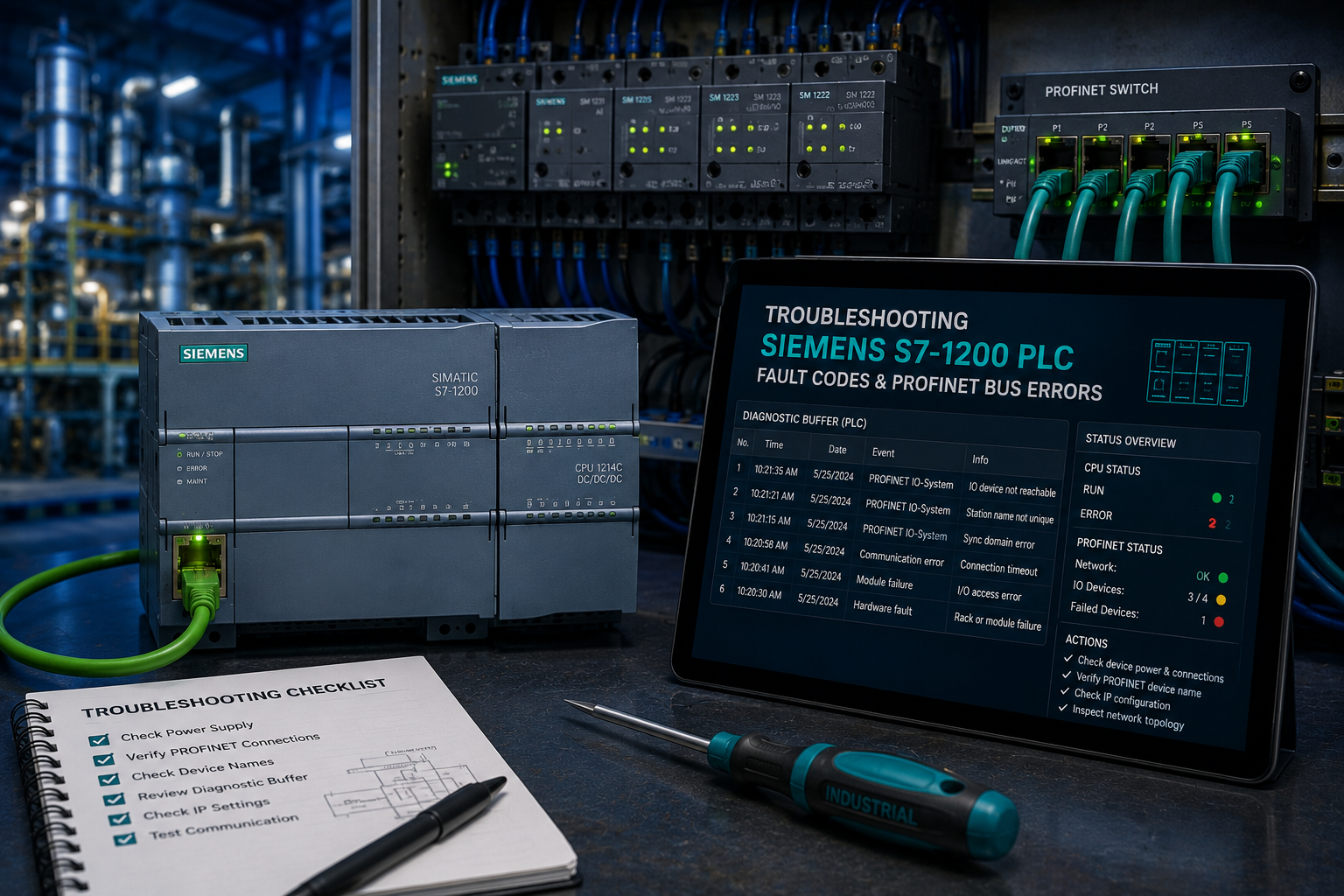
PLC troubleshooting is an important part of maintaining industrial automation equipment. When a machine stops operating correctly, engineers can check the PLC program, input signals, output status, communication, sensors, wiring, and connected devices.
Common areas to inspect include:
PLC diagnostic information
Input and output status
Sensor operation
Wiring and connections
Communication status
Program logic
Power supply
HMI alarms
Drive and motor status
A structured troubleshooting process can help identify the source of a machine fault and reduce unnecessary downtime.
As manufacturers continue to adopt smart manufacturing and industrial automation, PLCs remain an important part of machine control systems. Reliable control, communication, diagnostics, and integration with other automation technologies are essential for modern production environments.
Omron's automation portfolio provides solutions for different levels of industrial control, allowing businesses and automation professionals to select technologies based on their specific application requirements.
Omron PLCs are an important component of industrial automation and machine control systems. From basic machine sequencing to advanced automation applications, Omron PLC platforms can be integrated with HMIs, sensors, drives, motion systems, and other industrial equipment.
Whether you are looking for information about Omron PLC programming, Omron PLC automation, PLC control systems, industrial automation, HMI integration, or PLC troubleshooting, understanding the requirements of your application is the first step toward designing an effective automation solution.
For businesses working with industrial machinery and automation, choosing the appropriate Omron PLC system and implementing it with proper programming, installation, commissioning, and maintenance can help create a dependable and efficient control system.
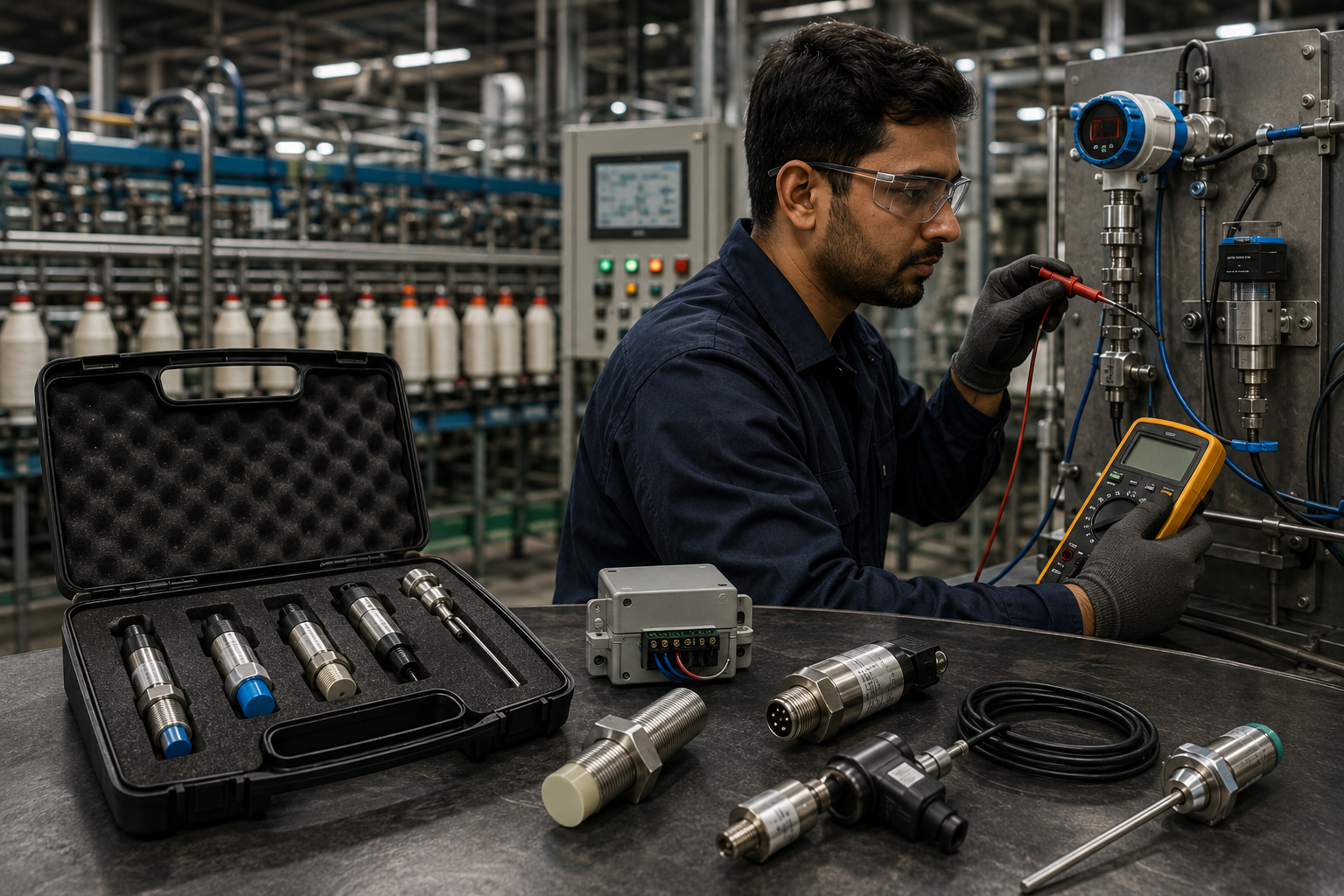
Send your faulty Servo Drive, PLC CPU, or HMI touch screen to our Faisalabad repair laboratory for free diagnostics.
Request Diagnostics